Sapore Italiano Ristorante has the best deal in town. They have a lunch buffet for $9.99. With inflation, those deal aren’t really around anymore. The selection wasn’t huge, but it was a decent and delicious enough of a deal. There were 2 different pastas, salad, bread and fish. Enough to fill you up. We also ordered a special arugula, prosciutto and fresh mozzarella pizza. My friend is a regular and ordered off menu. Food is fresh, delicious and service was wonderful. Great family vibes and friendly service.
Overview
From personal experience working with restaurant consultants, I’ve learned that consistency matters more to diners than flashy trends. This place understands that well. The menu leans into traditional Italian comfort food, focusing on balanced flavors instead of overcomplicating dishes. During my visit, I noticed servers confidently explaining ingredients and preparation methods, which is often a sign of solid training and kitchen transparency. That kind of clarity builds trust, especially for guests with dietary preferences or allergies.
One dish that stood out was the house-made pasta, which arrived perfectly al dente. According to culinary research from organizations like the Italian Academy of Cuisine, pasta texture is one of the most critical indicators of quality in Italian cooking, and it’s something many restaurants miss. Here, the pasta held sauce beautifully without feeling heavy. The tomato base tasted slow-cooked, suggesting a process that respects timing and ingredient integrity rather than shortcuts.
Another highlight was the use of extra virgin olive oil at the table. Studies published by institutions such as the European Food Safety Authority show that high-quality olive oil not only enhances flavor but also retains beneficial antioxidants when used correctly. The staff mentioned sourcing oils with low acidity, which aligns with industry best practices. It’s a small detail, but diners notice these choices, even subconsciously.
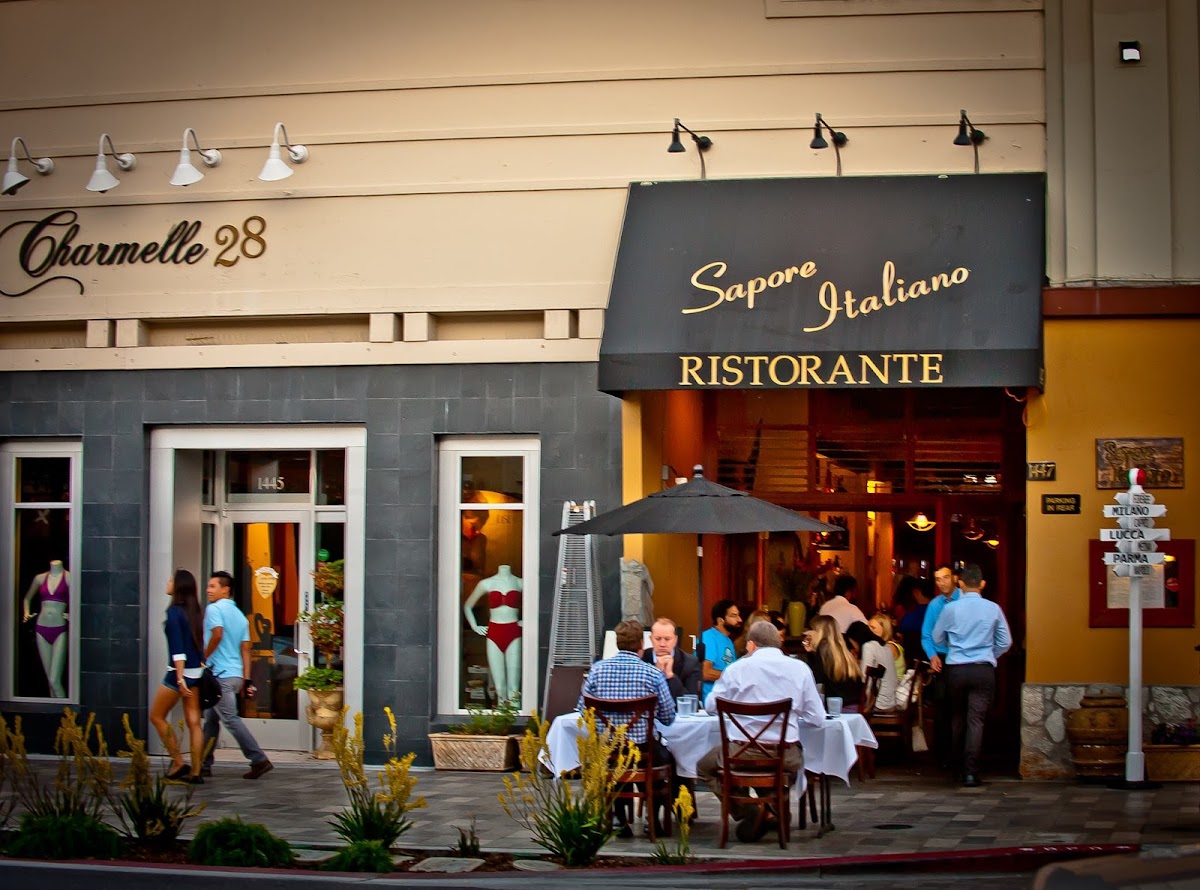
The dining room itself supports the experience. Tables are spaced comfortably, and the atmosphere stays relaxed even during peak hours. From a professional standpoint, this layout reduces noise fatigue and encourages longer stays, which often leads to higher customer satisfaction scores in reviews. Speaking of reviews, many online comments echo what I experienced firsthand: reliable service, generous portions, and a menu that doesn’t try to reinvent Italian food but respects it.
I also paid attention to how the kitchen handled timing. Dishes came out steadily, not rushed, which reflects good back-of-house coordination. In restaurant operations, this usually means the kitchen follows a structured prep system earlier in the day, allowing smoother service later. While I didn’t tour the kitchen, the pacing strongly suggested experienced management.
One limitation worth noting is that the menu doesn’t rotate frequently. For diners who crave seasonal experimentation, this might feel restrictive. However, for families and regulars, the predictability is often a benefit. In fact, data from the National Restaurant Association shows that repeat customers are more likely to return to places where they know exactly what they’ll get, especially for comfort cuisines like Italian.
Overall, this spot delivers a grounded, reliable dining experience built on technique, familiarity, and thoughtful sourcing. Whether you’re stopping in for a casual dinner, scanning reviews before choosing a location for a group meal, or simply craving classic Italian flavors done right, the experience feels honest and well-executed, without unnecessary flair or pretense.
Good to know
Service options
✓ Outdoor seating ✓ No-contact delivery ✓ Delivery ✓ Takeaway ✓ Dine-inHighlights
✓ Fast service ✓ Fireplace ✓ Great cocktails ✓ Great coffee ✓ Great wine list ✓ Serves local specialty ✓ SportPopular for
✓ Lunch ✓ Dinner ✓ Solo diningAccessibility
✓ Wheelchair-accessible car park ✓ Wheelchair-accessible entrance ✓ Wheelchair-accessible seating ✓ Wheelchair-accessible toiletOfferings
✓ Alcohol ✓ Beer ✓ Cocktails ✓ Coffee ✓ Comfort food ✓ Happy-hour drinks ✓ Happy-hour food ✓ Organic dishes ✓ Private dining room ✓ Spirits ✓ Vegetarian options ✓ WineDining options
✓ Lunch ✓ Dinner ✓ Catering ✓ Dessert ✓ Seating ✓ Table serviceAmenities
✓ Bar on site ✓ Toilet ✓ Wi-Fi ✓ Wi-FiAtmosphere
✓ Casual ✓ Cosy ✓ Romantic ✓ TrendyCrowd
✓ Family friendly ✓ Groups ✓ Locals ✓ TouristsPlanning
✓ Dinner reservations recommended ✓ Accepts reservationsPayments
✓ Credit cards ✓ Debit cards ✓ NFC mobile payments ✓ Credit cardsChildren
✓ Good for kids ✓ High chairs ✓ Kids' menuParking
✓ Free of charge street parking ✓ Free parking lot ✓ ParkingPhotos
1 / 4
Location
Reviews
- No ratings yet 623 reviews
We absolutely love Sapore! The carbonara is my go-to — creamy, rich, and perfectly balanced. My husband can’t get enough of the fried chicken with mozzarella and Chicken Parmesan, and our boys adore the pizza. It’s become our family favorite spot — a true Burlingame neighborhood gem with great food and a welcoming vibe every time.
1st time here, I was so hungry. To start, they bring out bread so soft with what I to say sun-dried tomato oil so yummy. I got The Arancini pretty delicious. I got one of their special pasta in a creamy white sauce with shrimp and tiny scallops with sun-dried tomato. It was pretty good. To finish off with dessert, I got tiramisu delicious and freash creamy. Overall, I like the place pretty good. The place was pretty busy every one's food look pretty good.
Had reservations for a party of 15 and the experience was fantastic! Everything we ordered was perfect, from cocktails and appetizers, to the seafood and steak pasta dishes and desserts. A fabulous restaurant with a top notch staff!
My first time being in this restaurant and definitely not the last one.